The D-MRV Death Spiral: Surviving the EPRA Carbon Audit
Why EPRA just paused carbon offset allocations for four Kenyan mini grids and the exact cryptographic edge architectures Deal Desks must mandate to survive a D-MRV audit.
The Market Anchor On April 24 2026 the Kenyan Energy and Petroleum Regulatory Authority (EPRA) officially paused the issuance of localized carbon offset allocations for four highly publicized private solar mini grid networks.
The public relations teams blamed a temporary administrative backlog. The forensic engineering reality was a catastrophic failure of Digital Measurement Reporting and Verification.
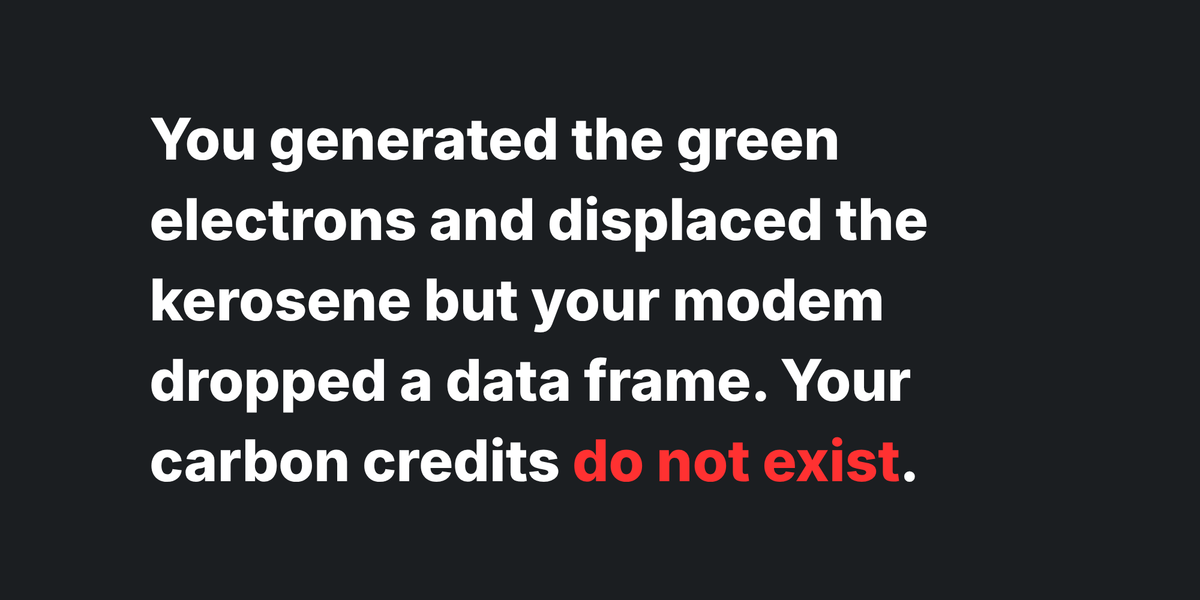
EPRA regulators executed a strict compliance audit of the smart metering backends governing these mini grids. They discovered that the automated logging devices had skipped critical telemetry data frames during routine rural cellular network dropouts. Because the data packets were missing or retroactively aggregated without cryptographic continuity the developers could not independently validate their exact kerosene displacement benchmarks.
Under the strict international trading mandates of Article 6 a broken digital chain of custody is fatal. The green electrons were physically generated. The rural customers received the power. But because the modem dropped the data frames the algorithm invalidated the offset. The financial yield was officially burned.
The Multidisciplinary Blast Radius To push borderline rural electrification projects into commercial bankability developers aggressively layer Voluntary Carbon Market revenue into their financial models. They treat carbon credits as a guaranteed secondary cash flow. The EPRA audit proves that if your data path is flawed your cash flow is a fiction.
- The Developer and IPP Risk: You sold the Investment Committee a project based on a blended tariff. You assumed the rural off taker would pay the base rate and the carbon registry would pay the premium. When the registry algorithm rejects your fragmented telemetry you lose your premium entirely. You are now operating a severely underfunded asset.
- The Carbon Aggregator Risk: Traders who signed forward purchasing agreements with these mini grid developers are caught holding empty contracts. They promised validated Article 6 compliant offsets to their global ESG buyers but the upstream data failure means they have nothing to legally deliver.
- The Lender Risk: If the Debt Service Coverage Ratio was sized under the assumption that carbon cash flows would subsidize early operational deficits the debt facility is mathematically exposed. You cannot service senior infrastructure debt with unverified rejected telemetry.